Radon Elimination in Naperville, IL
Radon elimination services involve identifying and reducing radon levels within residential properties to promote healthier indoor air quality. These services typically cover projects such as installing venting systems, sealing foundation cracks, and implementing mitigation solutions in homes, basements, or crawl spaces where radon gas may accumulate. Property owners often seek this service after noticing elevated radon test results or wanting to proactively ensure their living environment remains safe and free from harmful radon exposure.
Before requesting radon elimination, property owners usually want to understand the scope of work involved, the potential impact on their home’s structure, and the expected results of mitigation efforts. It’s important to consider factors like the size of the property, existing ventilation systems, and the level of radon present. Clear information about the process, costs, and any necessary follow-up testing can help homeowners make informed decisions about their radon management plans.
Many property owners in Naperville, IL look into Radon Elimination for repairs, replacements, upgrades, and appearance-related improvements.
Understanding Radon Risks
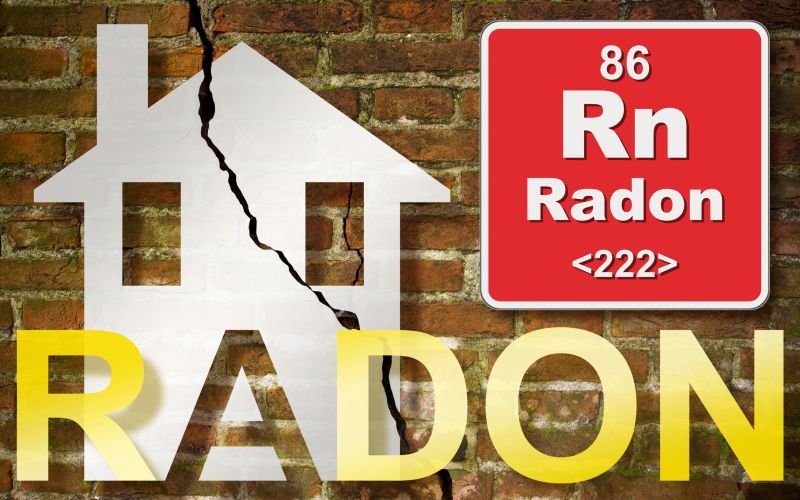
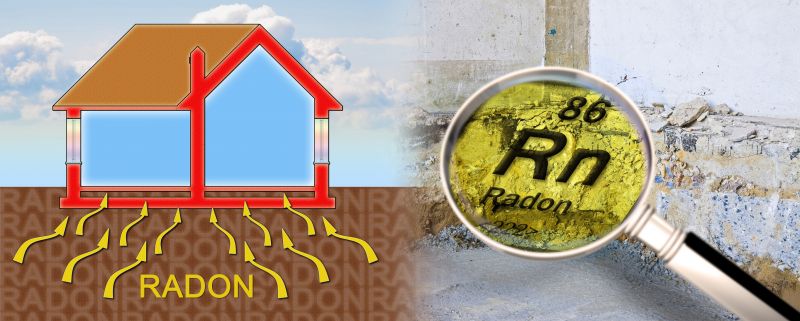
Radon can accumulate in homes and pose health risks if not properly managed.
Effective Radon Mitigation Methods
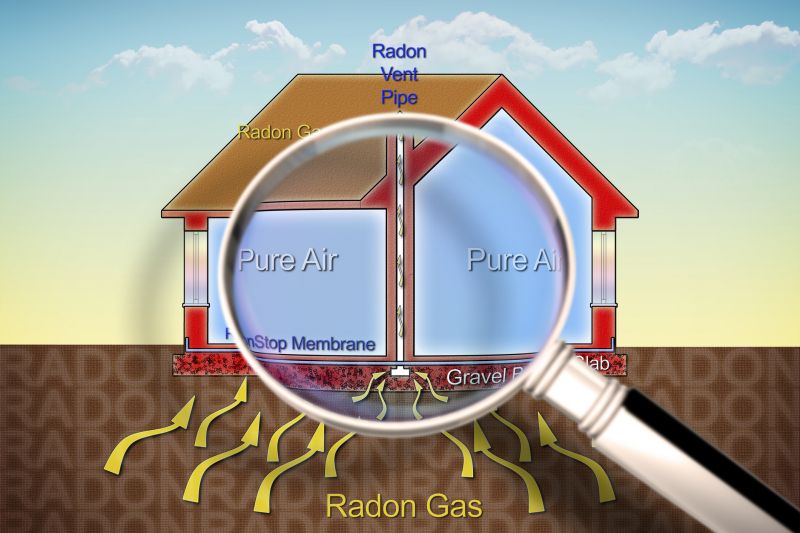
Professional radon elimination involves proven techniques to reduce indoor radon levels safely.

Protecting Your Property In Naperville
Radon testing and removal help ensure a safer living environment for homeowners and residents.
Radon Elimination in Naperville, IL

Radon elimination services involve identifying and reducing radon levels within residential properties to promote healthier indoor air quality. These services typically cover projects such as installing venting systems, sealing foundation cracks, and implementing mitigation solutions in homes, basements, or crawl spaces where radon gas may accumulate. Property owners often seek this service after noticing elevated radon test results or wanting to proactively ensure their living environment remains safe and free from harmful radon exposure.
Before requesting radon elimination, property owners usually want to understand the scope of work involved, the potential impact on their home’s structure, and the expected results of mitigation efforts. It’s important to consider factors like the size of the property, existing ventilation systems, and the level of radon present. Clear information about the process, costs, and any necessary follow-up testing can help homeowners make informed decisions about their radon management plans.
Many property owners in Naperville, IL look into Radon Elimination for repairs, replacements, upgrades, and appearance-related improvements.
Common Radon Elimination Jobs
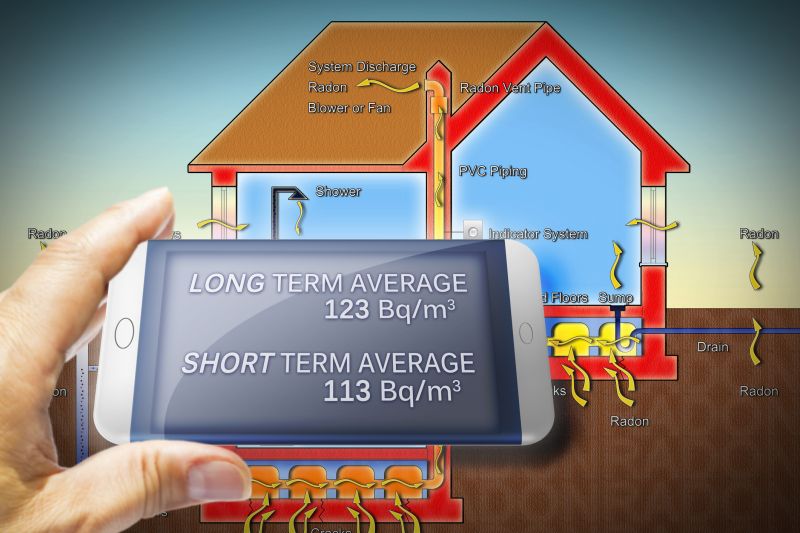
Radon testing - measures indoor radon levels to identify potential health risks.
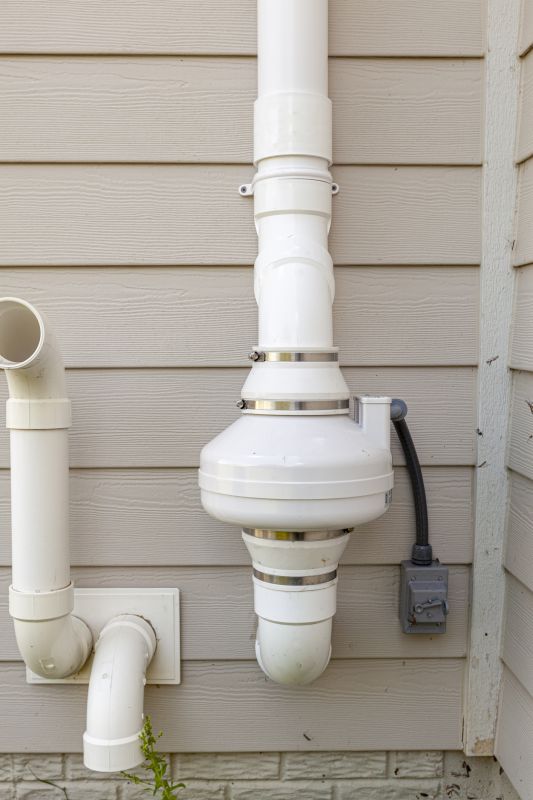
Radon mitigation systems - install barriers and ventilation solutions to reduce radon concentrations.
Foundation sealing - seal cracks and entry points to prevent radon entry into the property.
Sub-slab depressurization - create negative pressure beneath the slab to vent radon outdoors.
Soil ventilation - improve soil venting around the foundation to lower radon infiltration.
Radon reduction consultation - assess property needs and recommend effective radon elimination strategies.
Radon Elimination Questions
What is radon elimination? Radon elimination involves reducing radon levels in a property to improve indoor air quality and safety.
When should property owners consider radon removal? Radon removal is recommended if testing shows elevated radon levels above safety guidelines.
What types of properties benefit from radon mitigation? Both residential homes and commercial buildings can benefit from radon mitigation to ensure safe indoor environments.
How does radon mitigation work? Radon mitigation typically uses ventilation systems to lower radon concentrations inside the building.
Request Radon Elimination in Naperville, IL
Use the quote form on this page to share the basics of your project and request more information for the type of work you need.